Blog Detail
RFID Inlay, Tags, and Product Tracking: Complete Guide
 " alt="blogDetail">
RFID has become one of the most practical technologies for businesses that need faster identification, better stock visibility, and less manual handling. On TopTag RFID’s product range, you can see that RFID solutions are offered in multiple forms, including RFID Inlay, RFID PET Inlay, RFID FPC Inaly, RFID Library Label, RFID Epoxy Tag, RFID Jewelry Label, RFID Flexible Printable Anti-metal Label, and RFID Tags for label and sticker applications. That variety matters because the best format depends on the product, the surface, and the environment.
What is an RFID Inlay?
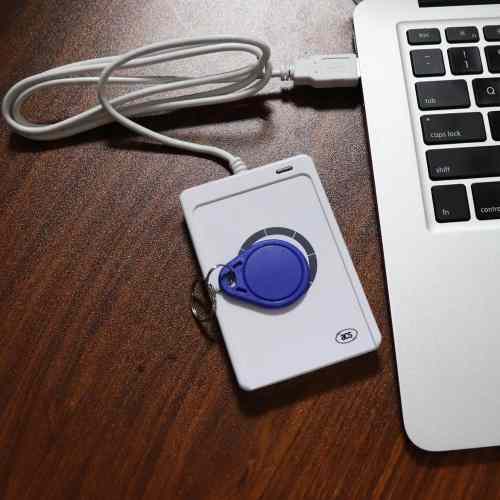
An RFID inlay is the core working part of an RFID label or tag. It usually consists of a chip, an antenna, and a substrate, and TopTag describes RFID inlays as a core component of RFID systems. Unlike a finished RFID tag, an inlay is often a semi-finished product that can later be built into plastic cards, paper labels, metal nameplates, or other media. In simple terms, the inlay is what gives the label its digital identity.
This is why the term rfid inlay is so important in product tracking. The inlay is the part that allows a scanned item to be recognised automatically, without line-of-sight reading. For businesses that want quicker processing and fewer errors, that small internal component becomes the foundation of a much smarter tracking system.
Types of RFID Inlays
Different applications call for different forms. A UHF RFID inlay sticker is typically used where long-range reading and fast bulk scanning are important, especially in retail, logistics, and asset tracking. TopTag’s RFID PET Inlay is described as offering good read range and stability for labels, cards, and packaging, and it is positioned as a flexible label solution suited to mass production. That makes it a strong example of how an inlay can be adapted for everyday operational use.
An rfid inlay label combines the inlay with printable label material, making it easier to attach, print, and deploy across existing workflows. TopTag’s product range also includes RFID Library Label and RFID Jewelry Label, both of which show how label-based RFID can be tailored to a specific use case. In libraries, the label supports rapid scanning and accurate cataloguing; in jewellery, it supports discreet tracking and anti-counterfeiting.
An rfid inlay tag is the broader category that covers tougher formats as well. For example, TopTag’s RFID Epoxy Tag uses an epoxy resin body for a waterproof and shock-resistant finish, making it suitable for asset management, equipment tracking, access control, and long-term industrial use. TopTag also offers an RFID Flexible Printable Anti-metal Label, built for curved metal-rich environments where signal disruption can be a problem.
RFID Inlay Production
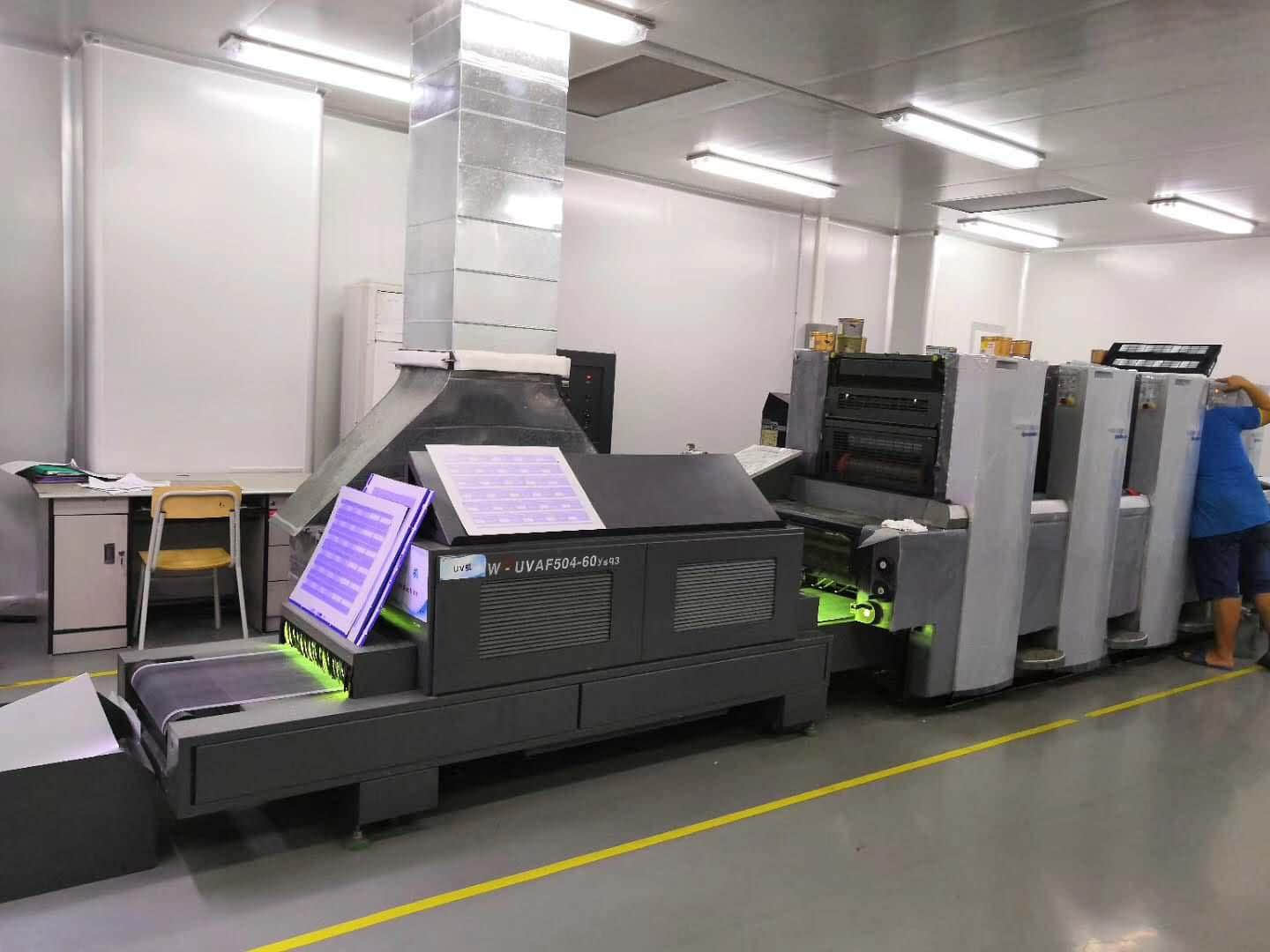
RFID inlay production is the process that turns raw electronic components into a reliable identification product. The main stages usually include chip attachment, antenna bonding, lamination, and testing. TopTag’s product descriptions show how important performance and durability are, whether the final item is a PET inlay for general use, a flexible anti-metal label, or a rugged epoxy tag. Good production is what separates a dependable RFID product from one that fails in daily use.
Quality matters because an inlay is not just a piece of material; it is the part that carries the identity of the item. A stable inlay should read consistently, hold up under handling, and perform in the intended environment. That is especially important for logistics, retail, and inventory systems where even small read errors can create delays and rework.
RFID Tags on Products
Using rfid tags on products helps businesses move beyond manual checking. Instead of relying on visible barcodes alone, RFID enables faster identification, batch reading, and easier location tracking. TopTag’s RFID Library Label explains this well: it supports contactless reading, rapid scanning, self-service borrowing and returning, automated inventory management, and anti-theft monitoring. The same logic applies in retail, warehousing, and equipment control.
For product-based businesses, the gains are practical. Items can be identified more quickly, stock movements can be tracked more accurately, and routine tasks become less dependent on manual entry. That is why RFID is often chosen for operational efficiency as much as for visibility.
RFID Product Labels
Rfid product labels are different from standard printed labels because they combine human-readable information with a chip-based digital identity. A normal label tells you what the item is. An RFID label helps a system recognise the item automatically. TopTag’s catalogue includes RFID tags and labels across multiple formats, including ordinary labels, PET inlays, library labels, jewellery labels, and anti-metal labels, which shows how broad the label category can be.
In retail and logistics, these labels help with receiving, dispatch, inventory counts, and asset checks. They also support more consistent data collection, because the scan process is quicker and less dependent on perfect positioning than a traditional barcode workflow.
RFID Product Tracking
Rfid product tracking is where the technology proves its value. Once an item has an RFID identity, it becomes easier to follow through the supply chain, from storage to movement to final use. TopTag’s PET inlay is described as useful for logistics, retail, and asset tracking, while the flexible anti-metal label is positioned for asset management and production traceability. That combination shows how RFID supports both everyday inventory work and more specialised tracking environments.
The biggest advantage is speed. Businesses can reduce manual handling, improve accuracy, and make their inventory process more responsive. In environments with large volumes of stock, that can mean better visibility, fewer losses, and a more reliable picture of what is available at any given time.
RFID Blocking Products
While RFID helps businesses track products, there is also a security side to the technology. TopTag lists Blocking Cards under its RFID Card category, showing that RFID blocking products are part of the broader conversation around access and privacy. These products are used when organisations or individuals want an added layer of protection around contactless cards.
In practice, rfid blocking products are designed to reduce unwanted reading of certain RFID-enabled cards. That is why they matter in personal security, secure access environments, and situations where control over scanning is important. The presence of blocking products alongside access control and other card solutions shows that RFID systems are not only about tracking, but also about protection.
Also Read: The Complete Guide to RFID Tags for Inventory and Livestock
Conclusion
RFID inlays and tags are the backbone of modern automated identification. Whether the final format is a sticker, label, tag, or durable industrial version, the core idea stays the same: give each item a readable digital identity. TopTag’s catalogue reflects that range clearly, from RFID PET Inlay and RFID Library Label to Epoxy RFID Tag, RFID Jewelry Label, and RFID Flexible Printable Anti-metal Label.
As product tracking becomes more demanding, the role of RFID will only grow. Businesses that choose the right inlay format, the right label type, and the right tag construction will be better placed to manage stock, protect assets, and improve operational efficiency.
FAQ
1. What is an RFID inlay?
An RFID inlay is the core part of an RFID tag or label. It contains the chip and antenna that make the item readable by an RFID system.
2. How does an RFID inlay tag work?
It works by using the chip and antenna inside the inlay to communicate data to a reader, allowing the item to be identified without direct contact.
3. What is a UHF RFID inlay sticker used for?
It is commonly used for long-range, fast-reading applications such as logistics, retail, and asset tracking. TopTag’s PET inlay is described as suitable for these kinds of use cases.
4. What is the difference between an RFID inlay label and an RFID tag?
An RFID inlay label is a label format built around an inlay, while an RFID tag may be a broader and more durable finished product such as an epoxy tag or anti-metal label.
5. How are RFID inlays produced?
They are made through stages such as chip attachment, antenna bonding, lamination, and testing, with performance and durability being key quality factors.
6. Why are RFID tags used on products?
They help with faster scanning, better accuracy, automated inventory handling, and improved asset visibility. TopTag highlights these benefits in its library and product-tracking examples.