Product Descritpion
Characteristic
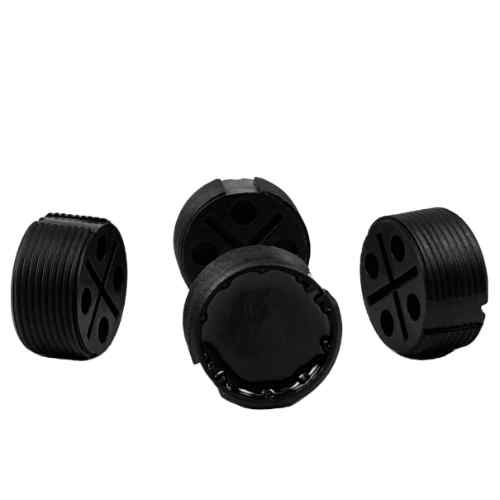
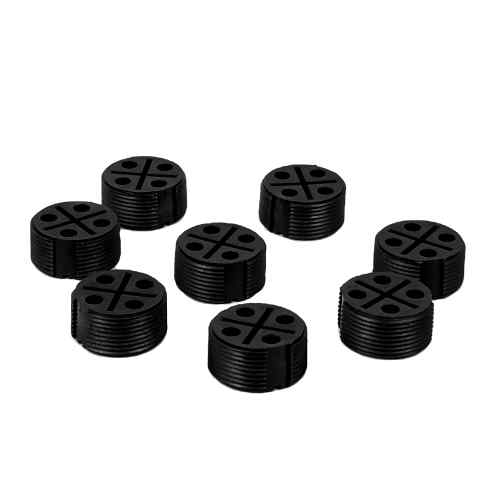
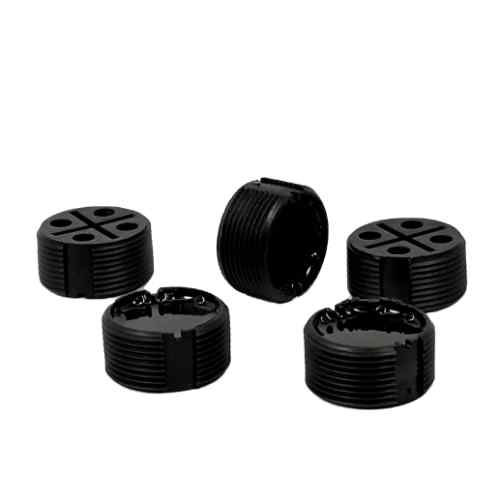
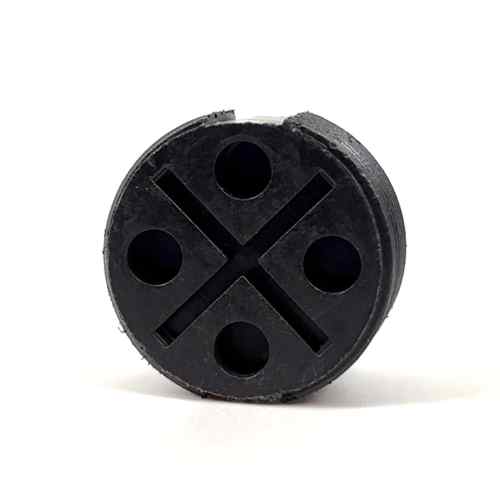
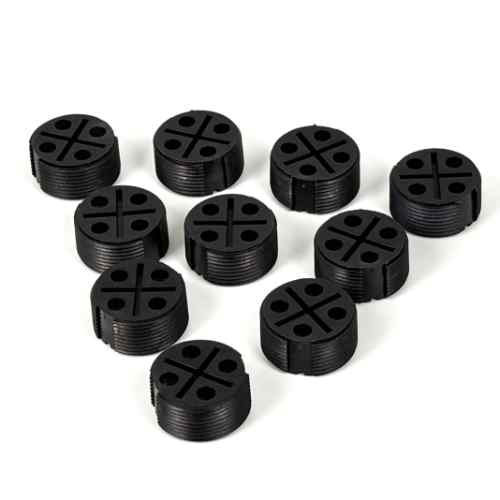
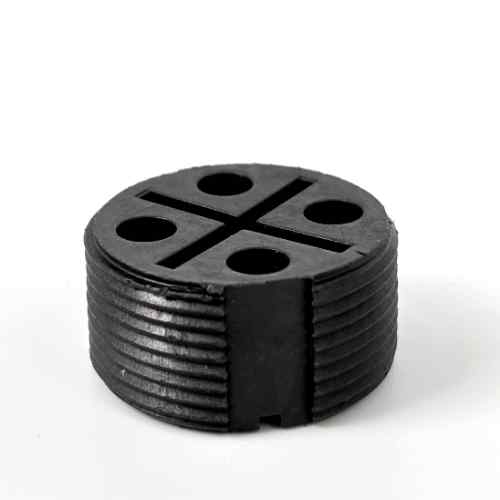
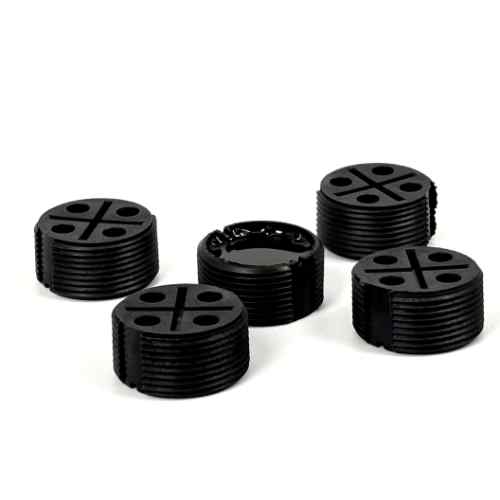
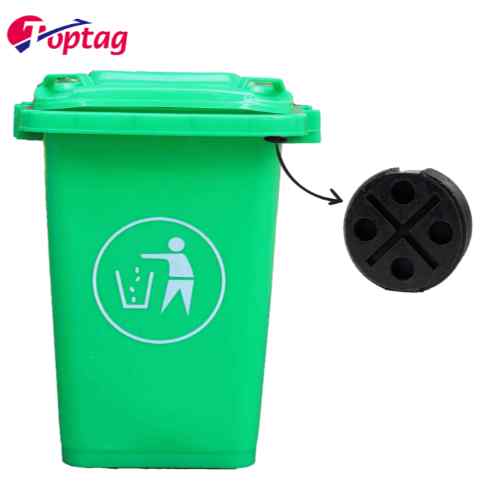
Name:RFID Bin Tag
Size: 30 mm*15 mm or custom
Color Options: Black, Orange, or Customized
Working Frequency: UHF
Material: ABS
Operating Temperature: -25℃ to +120℃
Storage Temperature: -40℃ to +120℃
Reading Distance:0-3m
Data retention:10 years
Weight: About 10 g
Resistance: Engineered for harsh environments
Craft:Laser Serial Number, UID number, Chip encoding etc
Features
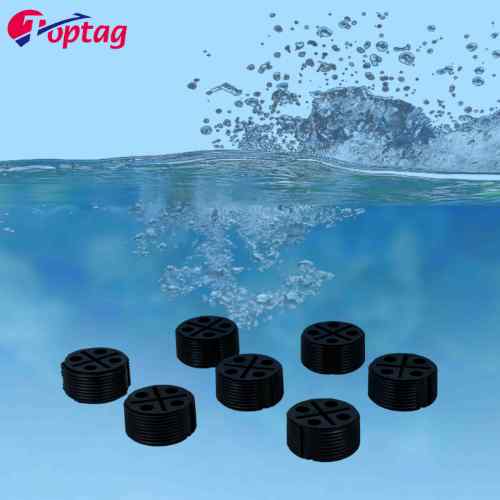
- Material characteristics: Made of materials such as ABS , waterproof, high temperature resistant, corrosion resistant, anti pollution, wide working temperature range (-25 ℃ ~ 100 ℃), suitable for harsh outdoor environments.
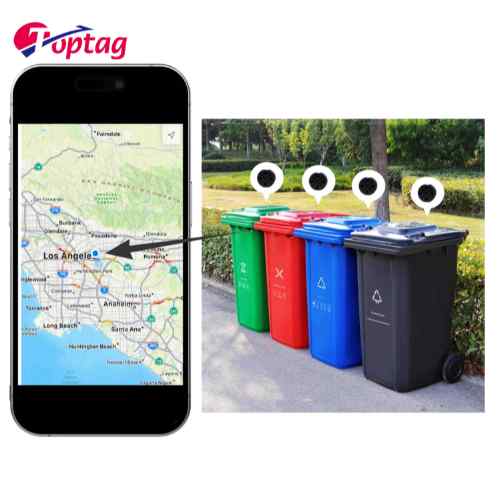
- Technical performance: The reading distance in the UHF band of 860mhz-960mhz can reach up to 3m. Support multiple chip protocols with large memory capacity, capable of storing various data such as trash can location, collection time, person in charge, etc.
- Design advantages: The threaded structure is easy to install, small and lightweight in size, sturdy and durable in appearance, with multiple mounting holes, and color and size can be customized.
- Easy Integration: Standard sizing for straightforward installation or retrofit in existing bins.
- Broad Compatibility: Available in various frequencies and memory capacities to suit global installations and protocols.
- High Tolerance: Exceptional resilience against shock and temperature variations.
Applications
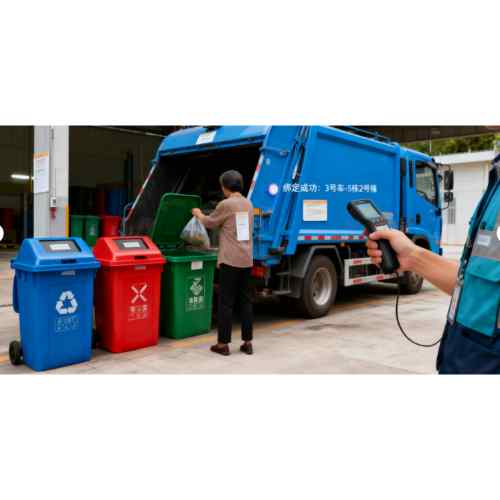
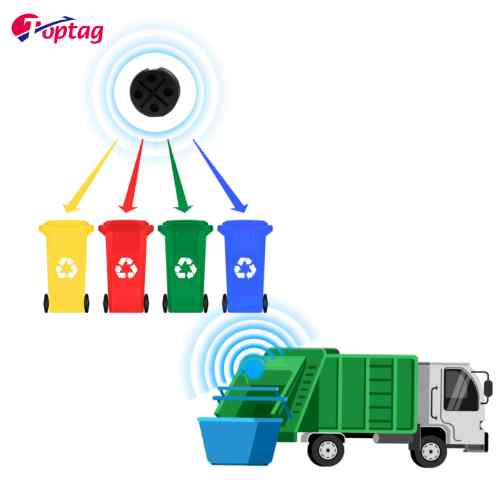
- Smart Trash Cans: Equip trash cans with RFID tags to store essential information like location and waste classification (recyclable, hazardous, etc.). Waste collectors can efficiently read this data, ensuring proper disposal.
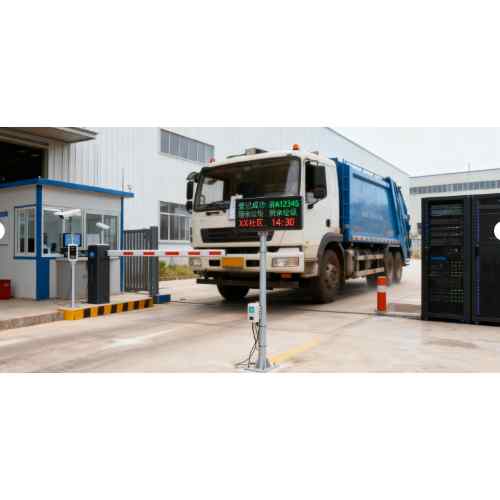
- Garbage Disposal Point Management: Utilize RFID readers at disposal points to verify correct waste disposal and log user information, enabling better tracking and compliance with waste management protocols.
- Transportation Monitoring: Install RFID tags on garbage transport vehicles and bins to ensure accurate tracking of waste from collection to disposal, facilitating precise management of routes and loads.
- Route and Time Monitoring: Set up RFID reading stations along transportation routes to monitor vehicle locations and times, ensuring timely arrivals and adherence to planned routes.
- Weight and Volume Monitoring: Integrate RFID technology with weighing systems to automatically record weight and volume data as garbage is loaded, aiding in efficient resource allocation and overload prevention.
- Treatment Plant Admission Registration: Automate vehicle admission processes at treatment plants by reading RFID tags, logging essential information for efficient processing of incoming waste.
- Treatment Process Tracking: Use RFID readers to monitor waste treatment at various stages, ensuring timely processing and compliance with treatment protocols.
- Resource Recycling Management: Track recyclable materials throughout their lifecycle, from collection to processing, to enhance recycling efficiency and promote sustainable practices.
- Data Analysis and Reporting: Analyze data collected via RFID tags to generate insights on waste generation patterns, transportation frequencies, and treatment methods, aiding strategic decision-making.
- Predictive Planning: Leverage historical and real-time data to forecast future waste generation and transportation needs, optimizing resource deployment and operational efficiency.
Upgrade your waste management by choosing efficient and intelligent RFID Bin Tags.