Blog Detail
Ceramic RFID Tag: How It Works, Benefits, and Uses
 " alt="blogDetail">
A ceramic RFID tag offers a strong and reliable way to identify and track assets. It’s effective for areas where standard RFIDs are not expected to endure. The ceramic body can endure heat, moisture, dust, and difficult work demands. RFID ceramic tags are utilized for businesses looking to track assets, carry in stock control, identify pieces of equipment and anything else that requires extended performance from its tags.
What Is a Ceramic RFID Tag?
A ceramic RFID tag is an RFID tag built inside a ceramic housing. The tag contains a small RFID chip and antenna. The reader sends out a signal, upon which the tag sends out the identification data it contains. The ceramic material protects the tag from harsh conditions. This makes it suitable for industrial and outdoor applications.
Unlike paper or basic plastic tags, ceramic tags can offer better protection against:
1. Heat
2. Moisture
3. Dust
4. Impact
5. Chemicals
6. Rough handling
How Does an RFID Ceramic Tag Work?
The first step is for an RFID reader to transmit radio waves. The signal transmitted to the ceramic rfid tag arrives via its antenna. The chip then ‘decodes’ the signal and transmits an identification back to the reader.
The reader captures the tag data and sends it to the connected system. This process allows businesses to identify items without scanning each tag by hand.
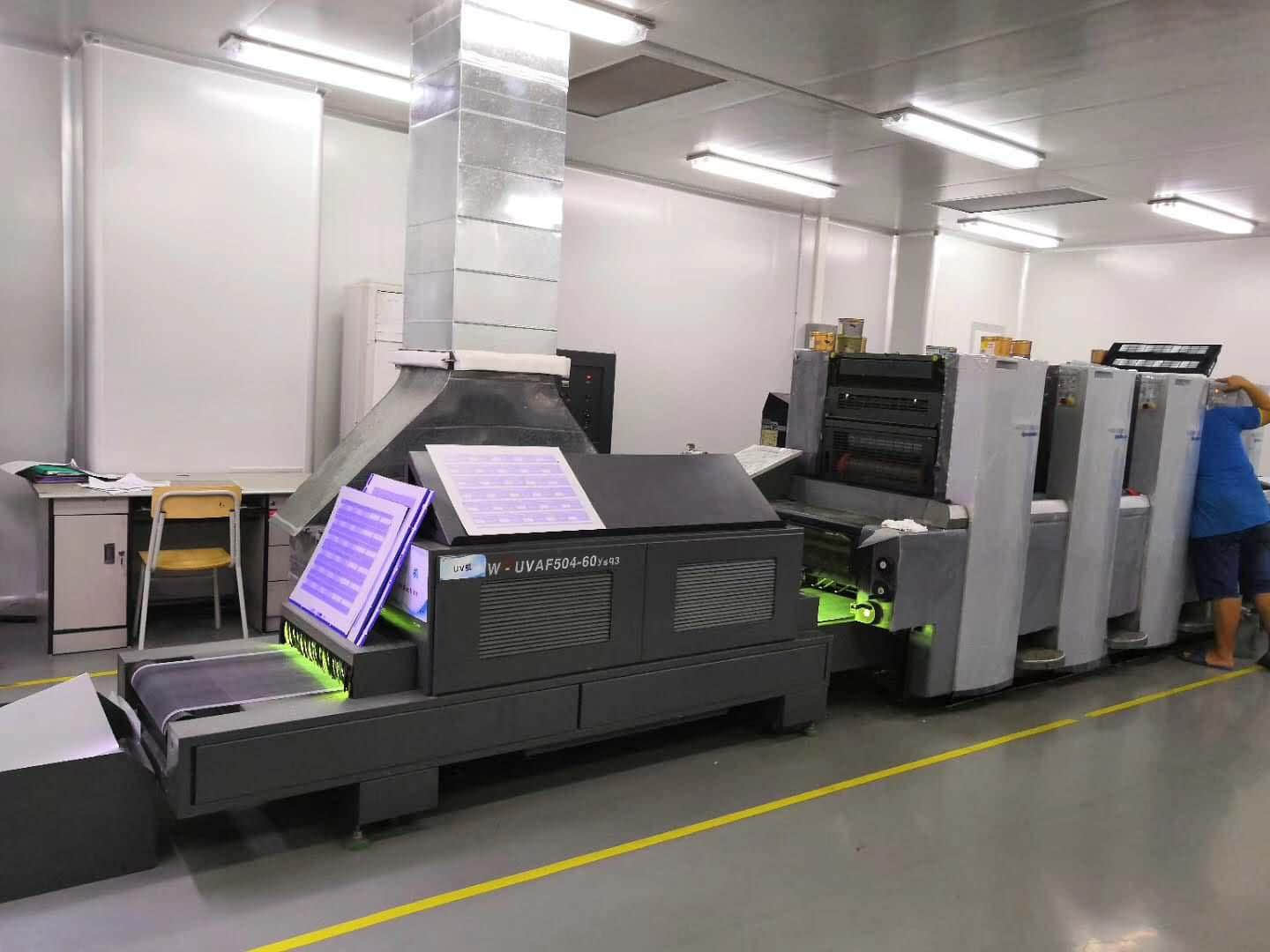
What is the RFID manufacturing process?
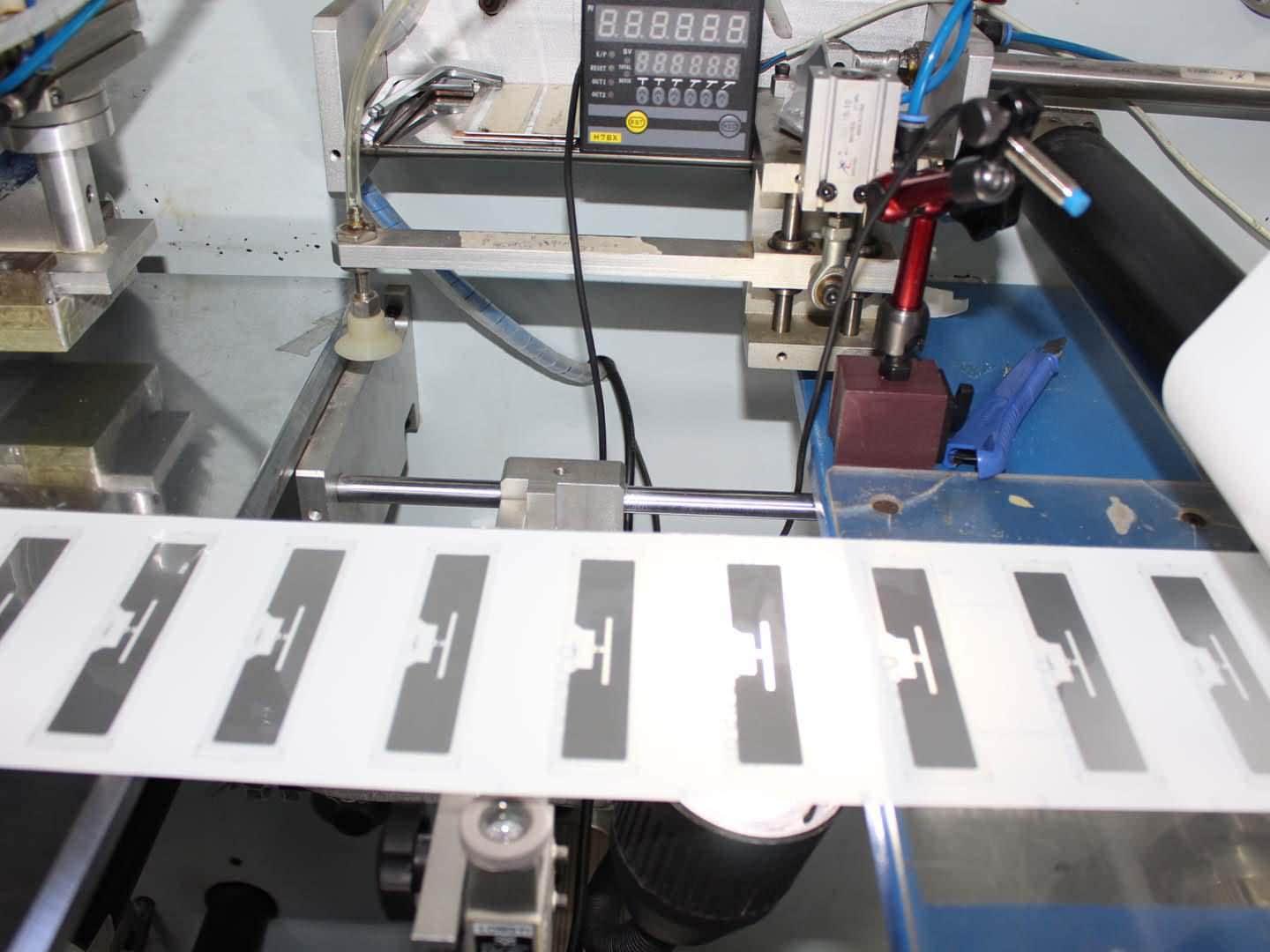
There are various stages in the production of RFID. The manufacturers design the antenna and choose the appropriate RFID chip to fit the use requirement.
The primary activities are:
1. Chip Selection: The RFID chip is selected by the manufacturer according to the reading range and data needs.
2. Antenna Design: It is a feature that helps the tag receive and send RFID signals.
3. Chip and Antenna Integration: The chip is integrated with the antenna.
4. Ceramic Encapsulation: The components of the RFID device are placed into a ceramic housing.
5. Testing: Testing is done by the manufacturer to check the performance of the tag.
6. Quality Inspection: Quality inspection is done on the final tags before dispatching.
This process makes RFID tags suitable for harsh environments.
Why Choose Ceramic RFID Tags?
The choice of Ceramic RFID tags is for organizations that need a tough method of identifying something.
Strong And Durable: The RFID tag will be able to endure many environmental conditions because of the ceramic material.
Works In Harsh Conditions: The Ceramic RFID tag is suitable for operations in conditions of high temperature, humidity, dust, and frequent handling.
Supports Asset Tracking: These tags can be put on tools, machinery, vehicles, containers, and other assets. The worker then identifies the item with the help of an RFID reader.
Reduces Manual Scanning: In RFID technology, the reader is able to read the tag regardless of the orientation of the tag with respect to the reader.
Supports Long-Term Use: The rugged exterior casing helps in protecting the RFID components. It is advantageous in circumstances where the asset has a long lifespan.
Ceramic RFID Tags For Inventory Management
RFID tags for inventory are beneficial for companies because they help them have adequate control over their inventory and assets. Ceramic tags could work well when inventory is in difficult conditions. Examples include the use of ceramic RFID tags for identifying:
1. Industrial equipment
2. Components of machines
3. Metallic machinery
4. Inventory boxes
5. Returnable goods
6. Outdoor equipment
7. High-value items
The RFID readers could be employed by employees to read the tags and keep track of inventory. This could prevent companies from entering data manually and enable faster retrieval of items.
Read More: Industrial RFID Labels: Improving Asset Tracking and Manufacturing Efficiency
What Are RFID Product Tags?
Product tags are tags that identify a product or asset with RFID technology. Each tag can carry a unique identification number. The tags can be used to mark products waiting in store and dispatch. They can also be used to track STOCK and enhance asset visibility. Ceramic RFID tags provide an option for products or assets that need extra physical protection.
Where Can Ceramic RFID Tags Be Used?
There are numerous industries and applications for ceramic RFID tags.
Manufacturing: Machines, tools, components and production equipment can be tagged.
Warehousing: Ceramic tags can be used on containers, tools, and other reusable assets in warehouses.
Industrial Asset Tracking: Businesses can detect and track valuable tools from various work areas.
Outdoor Applications: Ceramic tags can suit outdoor assets that face changing weather conditions.
Equipment Identification: Each piece of equipment can be assigned a unique RFID tag that the business can use. The worker is then able to use the RFID reader to locate the suitable item.
Ceramic RFID Tag vs Regular RFID Tag
Both utilize RFID technology, although in different formats.
1. Standard RFID tags mostly use paper, plastic, and even lightweight materials to make them. However, the ceramic body of ceramic RFID tags is more durable than the former.
2. Use a ceramic RFID tag when the environment is tough or where you need a long-lasting tag.
If you want a light and cheap tag, then the RFID tag will be appropriate.
How To Choose The Right Ceramic RFID Tag
Considerations for selecting a tag include the following:
Range: Look at how far away the reader will need to recognize the tag.
Size: Choose a tag size suitable for the asset.
Environment: Think about the effects of heat, water, dust, and impact.
Mounting: Consider how the tag is attached to the asset.
RFID Frequency: The tag must be compatible with the RFID reader.
Application: Be sure that the tag matches the application requirement for inventory/asset management.
Final Thoughts
Firms also have a relatively cheap and durable option for asset and inventory tracking using the ceramic RFID tag. The tag provides very good protection to the RFID system from rough environmental conditions.
The second way to identify equipment or inventory or track industrial equipment is the RFID ceramic tag. This tag should be selected based on the type of asset, working conditions, reader, and reading distance. Looking for the right RFID tag for your application? Explore our RFID products or contact our team to find a suitable solution.