Blog Detail
How to Choose the Best Animal Identification Tags
 " alt="blogDetail">
Picking an animal tag sounds easy until you see the choices. Plastic or metal? Visual or electronic? One wrong pick can mean lost tags, sore ears, and missing records. This guide keeps it simple. You will learn what to check, which tag fits which animal, and which mistakes to avoid. Use it to find the best animal identification tags for your needs.
Why Animal Identification Tags Matter
A good tag does more than carry a number. It helps you:
1. Track health and treatment records
2. Prove ownership if an animal goes missing
3. Follow local laws and movement rules
4. Trace animals fast during a disease outbreak
Also Read: RFID for Livestock: How to Pick the Right Animal RFID Tag
Know the Main Tag Types
| Tag Type | Best For | Strength | Weakness |
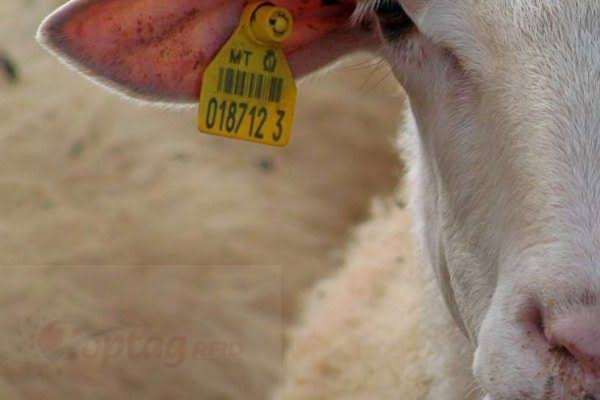
| Visual ear tag | Cattle, sheep, goats, pigs | Cheap and easy to read | Numbers can fade |
| RFID ear tag | Large herds, dairy | Fast, accurate scanning | Higher cost |
| Metal clip tag | Sheep, goats | Very durable | Hard to read from afar |
| Leg band | Poultry | Light and gentle | Can slip off |
| Microchip | Dogs, cats, horses | Cannot fall off | Needs a scanner |
| Collar tag | Dogs, cats | Anyone can read it | Collar can come off |
7 Checks Before You Buy
1. Match the animal. Check species, age, and size. Young animals grow, so leave room.
2. Know your local rules. Many regions require a set tag type, color, or number format. Check before you order.
3. Pick visual, electronic, or both. Visual tags are cheap. Electronic tags scan fast. Using both gives you a backup.
4. Check the material. Flexible polyurethane handles sun and cold well. Cheap, stiff plastic cracks.
5. Test readability. You should read the number from a few feet away, even after months of sun and mud.
6. Check the fit. A tight tag causes swelling. A loose tag snags and tears. Look for smooth edges.
7. Count the full cost. Add lost tags, re-tagging time, and missing records to the price. A pricier tag often costs less over time.
What Makes a Tag “Top Rated”?
When you shop for top rated animal identification tags, look for these signs:
1. Few tags fall out
2. Numbers stay clear for years
3. Strong, flexible material
4. Easy to apply with the right tool
5. Reviews from owners with your type of animal
6. A clear replacement policy
Quick Guide by Animal
| Animal | Good Choice | Tip |
| Cattle | Visual plus RFID tag | Tag calves early; size up later |
| Sheep and goats | Small ear tag or clip tag | Pick light tags for small ears |
| Pigs | Small, rounded ear tag | Choose chew-resistant tags |
| Poultry | Leg or wing band | Check size as birds grow |
| Horses | Microchip plus halter tag | Keep contact details current |
| Dogs and cats | Microchip plus collar tag | Update your phone number |
Also Read: Micro RFID Tags for Lab Animals and Rodents: How to Choose
Case Studies
These are simple example scenarios, not named businesses.
The dairy farm that stopped losing records. A small dairy used basic printed tags. The numbers faded by summer, and the owner spent hours matching cows to records. The farm switched to etched tags and added an RFID tag to each cow. Now a reader checks each cow at milking. Lesson: pair a visual tag with an electronic one.
The flock with sore ears. A sheep farmer put large cattle tags on lambs. The heavy tags tore ears and caused infections. Small, light lamb tags fixed the problem. Lesson: match tag size to the animal.
The dog that came home. A dog slipped out of a gate, and his collar came off. The vet scanned his microchip and called the owner within a day. The owner had kept the contact details current. Lesson: use a microchip plus a collar tag, and keep your details fresh.
Common Mistakes to Avoid
1. Buying the cheapest tag without checking quality
2. Ignoring local tagging rules
3. Using the wrong tool to apply the tag
4. Skipping record updates after tagging
5. Forgetting to check tags during routine handling
Conclusion
The best animal identification tags fit your animal, follow your local rules, and stay readable for years. Work through the seven checks above and compare a few top-rated animal identification tags from Top Tag RFID. Then choose the option that suits your animals and daily routine. A small choice today can save time, money, and stress later.