Blog Detail
RFID for Livestock: How to Pick the Right Animal RFID Tag
 " alt="blogDetail">
Every farmer knows the problem. You stand at the chute with a clipboard, squint at a faded ear tag, and hope you write the right number. One mistake, and a vaccination record ends up on the wrong animal. Each animal gets a unique digital ID, and a reader picks it up in a fraction of a second. You don’t need to see the tag or touch it.
This guide covers how animal RFID tags work, which types exist, and how to choose one for cattle, goats, sheep, and lab animals.
What is an Animal RFID tag?
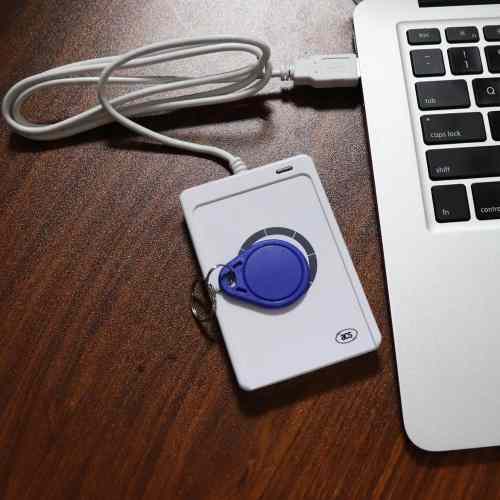
An animal RFID tag holds a tiny chip and an antenna. The chip stores one unique number. When the tag comes near a reader, the reader sends out a radio signal, and the tag replies with its number. Most animal tags are passive. They have no battery. The reader’s signal powers them, so a tag can work for the animal’s whole life.
How RFID livestock tracking works
You need three things:
1. A tag on or inside the animal
2. A reader, either a handheld wand or a fixed panel at a gate
3. Software that links each tag number to the animal’s record
Say a cow walks through your milking parlor. The reader scans her tag, and the software logs the visit. You can then see her milk output, treatments, and weight history without typing anything.
Types of animal RFID tags
1. Ear tags are the most common choice for cattle, sheep, and goats. You apply them with a standard tagger, and most carry a printed number as a visual backup.
2. Injectable glass tags sit under the skin. Vets use them on pets and horses, and researchers use them on mice and rats, because RFID ear tags are too big for small animals.
3. Boluses are capsules that a ruminant swallows. They stay in the stomach for life, so the animal can’t lose them.
4. Leg bands and collars suit poultry and dairy cows that need close monitoring.
LF or UHF: which frequency should you pick?
Low frequency (LF, 134.2 kHz) is the standard for animal ID. It follows the ISO 11784/11785 standards. The read range is short, but LF works well around animals, water, and metal. Most official ID programs accept it.
Ultra-high frequency (UHF, 860 to 960 MHz) reads farther and can scan many tags at once. Large herds and gate counting benefit from this. UHF struggles near liquids, so you need to place readers carefully.
Our advice: choose LF if you need official ID or must match existing readers. Choose UHF if you need to count many animals fast from a distance. Check your local rules first, because some regions require a specific standard.
Which tag fits your animals?
1. Cattle. Pick a large, tough ear tag. Look for UV-resistant, tear-resistant material and a clearly printed number.
2. Goats and sheep. Choose a lighter, smaller tag. Heavy tags snag on fences and feeders, and they tear ears.
3. Lab animals and rodents. Use a miniature glass tag. Match the size to the species, and make sure your reader can read tags that small.
Also Read: Micro RFID Tags for Lab Animals and Rodents: How to Choose
Before you buy, ask yourself:
1. How far away will the reader be?
2. Will the tag face mud, sun, or freezing weather?
3. Does my reader support this tag?
4. Do local traceability rules apply to me?
What you gain from RFID animal identification
1. You stop copying numbers by hand, so you make fewer mistakes.
2. You link every treatment and vaccination to the right animal.
3. You read animals as they move through a chute or gate, so handling goes faster.
3. You trace each animal from birth to sale.
4. You count your herd accurately and prove ownership.
Tips for reliable reads
1. Apply each tag in the position the manufacturer recommends.
2. Test every tag with your reader before you attach it.
3. Keep readers away from large metal surfaces.
4. Save a backup list of tag numbers.
5. Replace damaged tags right away.
Also Read: RFID Animal Ear Tags & Product Tags Guide
Find the right tag
Not sure which tag fits your animals and reader? Browse our RFID animal tags or send us your setup. We’ll help you match the tag to the job.
FAQ
What is RFID in livestock?
RFID in livestock means using radio-frequency tags to identify each animal electronically. A reader scans the tag and records the animal’s unique number.
How does RFID livestock tracking work?
A reader powers the tag with a radio signal. The tag sends back its ID, and software logs the animal’s location, health, and production data.
What frequency do animal RFID tags use?
Most official animal ID tags use 134.2 kHz (LF). UHF tags, at 860 to 960 MHz, work for herd management where you need longer read range.
How long do RFID ear tags last?
A good passive tag can last the animal’s lifetime. Ear tags can still tear or break, so check them regularly.
Are RFID tags safe for animals?
Yes. You apply ear tags the same way as standard ear tags, and you inject glass tags with a sterile applicator. Good technique keeps stress low.
What is the read range of an animal RFID tag?
Handheld LF readers usually read from a few centimeters up to about 30 cm. Panel readers reach farther. UHF can read at several meters, depending on your setup.
Can I use RFID tags on goats and sheep?
Yes. Choose a lighter ear tag sized for small ruminants.
What is the best RFID tag for lab animals?
Most researchers use miniature injectable glass tags for mice, rats, and other small animals.