Blog Detail
Complete Guide To RFID Readers, RFID Modules & Product Tracking Solutions
 " alt="blogDetail">
RFID technology has revolutionized the process of asset management, inventory management, and automation processes within businesses. RFID reader is one of the main elements that make RFID systems work as it ensures the communication between RFID tags and business software platforms. RFID technologies are now widely applied to such business purposes as access control, attendance tracking, asset management, and even product identification.
The modern business world needs RFID technology to achieve inventory transparency, supply chain optimization, and automated processes. RFID technologies are now gaining popularity as one of the necessary elements of RFID production environments where tracking helps to increase efficiency. No matter what type of operation you are responsible for, be it warehouses, manufacturing plants, logistics chains, or retail operations, RFID will provide you with accurate data gathering and better control over the whole operation process.
What Is an RFID Reader?
The RFID Reader is a component of RFID technology that allows interaction between the RFID tags and RFID readers via radio frequency waves. It emits signals using an antenna, then reads information from the RFID tags and transmits the information to a software application for further use.
How RFID Readers Work
RFID readers communicate with RFID tags via the use of radio frequency waves. As soon as RFID tags come within range of a reader, the reader communicates with the tags and receives their data from them. Radio communication helps in achieving automatic identification and real-time tracking of items.
Compared with typical barcode systems, RFID readers can scan several tags at the same time without needing a direct line of sight visibility. This approach tends to boost efficiency and cuts down on the amount of manual effort involved in tracking processes.
Main Components of an RFID Reader Device
The following parts make up an RFID reader device:
1. Antenna for transmission and reception of signals
2. RFID reader module for communication handling
3. Data handling processor unit
4.Connectivity interfaces including USB, Ethernet, Wi-Fi, and Bluetooth connectivity
The internal RFID module or the module RFID performs the function of handling communication activities between the reader and RFID tags.
Different Types of RFID Readers
RFID readers are available in different forms depending on application requirements, scanning distance, and operating environment.
RFID Tag Reader
An RFID tag reader is designed to read RFID labels and smart tags attached to products, equipment, and inventory items. These readers are commonly used in warehouses, retail stores, and logistics centers where large volumes of items need to be tracked quickly and accurately. RFID tag readers help automate inventory counts, reduce manual errors, and improve supply chain visibility.
RFID Badge Reader
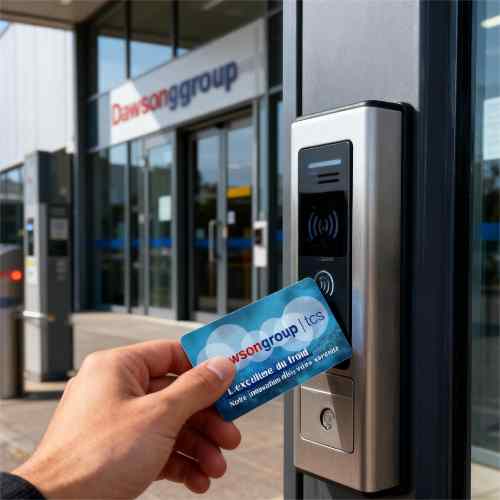
An RFID badge reader is utilized when it comes to identifying employees, monitoring attendance, and controlling access. This kind of an RFID badge system allows controlling entry to secured areas and recording attendance at the same time. RFID badge readers improve workplace security and eliminate the need for manual sign-in processes.
RFID Card and Reader Systems
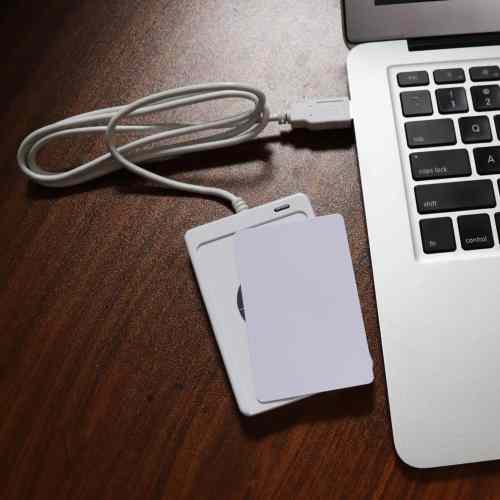
Applications of RFID card and reader systems include the hospitality industry, offices, education institutions, and banks. The RFID cards have an embedded chip which communicates with RFID readers for authentication and access control.
The RFID reader systems provide secure and easy-to-use methods for identification while lowering chances of any unauthorized entry.
NFC RFID Reader
An NFC RFID reader uses Near Field Communication technology for short-range wireless communication. The NFC readers are prevalent in payment systems, access control technologies, and applications using smartphones.
Due to their convenience and ability to be used in mobile phones, NFC RFID readers keep gaining popularity within various industries.
Long-Range RFID Reader Technology
Long-range RFID technology enables businesses to identify and track assets, vehicles, and inventory from extended distances without direct contact. These UHF RFID systems increase efficiency and minimize the manual process of scanning. They have been designed for high volume tracking purposes in logistics, transportation, and industry.
What Is a Long Range RFID Reader?
Long range RFID readers allow one to scan RFID tags at an extended distance than the normal RFID system. These readers use ultra-high frequency (UHF) technology to scan from a couple of meters away.
The reader minimizes the need for manual scanning of tags and increases efficiency during the scanning process.
Long Distance RFID Reader Applications
A long distance RFID reader is used in various applications that require remote identification and tracking.
Among these applications are:
1. Electronic toll collection
2. Parking management systems
3. Vehicle access control systems
4. Fleet management systems
5. Supply chain operations
With their ability to perform readings over larger distances, these systems are perfect for high volume activities.
UHF RFID Tag Reader
UHF RFID Tag Readers are designed to work at Ultra High Frequencies and have very high scan speed and distance capability. This reader is able to identify multiple tags simultaneously; therefore, it performs really well in inventory and production applications.
The ability of these scanners to perform outdoors and indoors in large areas makes them suitable for warehouse use, manufacturing plants, and logistics companies.
RFID Reader Modules & Embedded RFID Systems
An RFID reader module represents a compact design of an RFID reader with the capability to be incorporated into other custom devices. Such reader modules are popular in IoT systems, access control terminals, kiosks, and other machinery, where efficient RFID reading is needed.
What Is an RFID Reader Module?
An RFID reader module is a small-sized element that can be installed into other larger devices or systems. Modules enable RFID technologies to be implemented in the absence of an external reader.
Embedded RFID systems are commonly used in custom hardware solutions and automated equipment.
RFID Tag Reader Module Applications
RFID tag reader modules are widely used in such devices as:
1. IoT devices
2. Automated vending machines
3. Kiosks
4. Automation systems for industry
5. Terminals of access control
With the help of RFID reader modules, manufacturers can easily implement RFID features in their products with minimum hardware modifications.
Choosing the Right RFID Module
Choice of appropriate RFID modules or module RFID is affected by several considerations, including:
1. Frequency compatibility (LF, HF, UHF)
2. Desired reading distance
3. Power consumption
4. System integration needs
5. Environmental conditions
A proper analysis guarantees maximum effectiveness and reliability of RFID systems.
Industrial RFID Readers for Manufacturing & Automation
The industrial RFID reader is meant for harsh operating conditions, which require high levels of reliability and robustness. These devices facilitate automated operations by enabling the manufacturers to monitor their processes, manage inventory and other resources, and streamline operations within the facility.
What Is an RFID Industrial Reader?
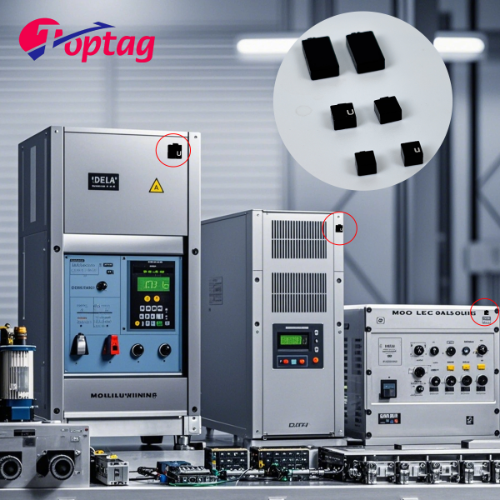
An RFID industrial reader is a unique reader that can operate under challenging conditions. Industrial RFID readers can be subjected to dust, vibrations, variable temperatures, and other adverse environmental factors in the industry.
Reliable functioning of readers is assured for manufacturing plants, warehouses, and production facilities.
RFID in Production Facilities
RFID technology plays an important role in RFID production environments. Manufacturers use RFID systems to track work-in-progress materials, monitor production stages, and improve process visibility.
Real-time tracking reduces delays, minimizes errors, and improves operational efficiency throughout the manufacturing process.
Benefits of RFID Production Systems
RFID technology delivers significant advantages across modern supply chains by improving visibility, accuracy, and operational efficiency. By enabling real-time tracking and automated data collection, RFID products help businesses manage inventory more effectively, streamline logistics processes, and gain better control over product movement throughout the supply chain. Following are the advantages of the RFID production systems:
1. Improved productivity
2. Automated data collection
3. Reduced manual scanning
4. Better inventory accuracy
5. Enhanced workflow automation
These benefits help organizations optimize manufacturing operations while reducing operational costs.
RFID Product Tracking Solutions
RFID product tracking solutions enable businesses to monitor products throughout the entire supply chain. By using RFID technology, organizations can improve inventory visibility, reduce manual errors, enhance traceability, and gain real-time insights into product movement and availability.
How RFID Product Tracking Works
RFID product tracking uses RFID technology to identify and monitor products throughout their lifecycle. RFID tags attached to products transmit data to readers whenever they enter a scanning zone. This automated process provides accurate inventory visibility and real-time movement tracking across supply chains.
Industries Using RFID Product Tracking
Many industries rely on RFID products and tracking solutions, including:
1. Retail
2. Healthcare
3. Logistics
4. Automotive
5. Manufacturing
Each industry benefits from improved traceability, inventory management, and operational efficiency.
Benefits of RFID Products in Supply Chains
Implementing RFID tracking systems provides numerous advantages:
1. Faster inventory audits
2. Improved accuracy
3. Theft prevention
4. Better stock visibility
5. Reduced operational costs
RFID solutions enable organizations to make informed decisions based on real-time data.
RFID Blocking Products — Do You Need Them?
RFID blocking products are designed to help protect RFID-enabled cards and documents from unauthorized scanning. Understanding how these products work, their benefits, and their limitations can help consumers and businesses make informed security decisions.
What Are RFID Blocking Products?
RFID blocking products are designed to prevent unauthorized RFID scanning. Common examples include RFID-blocking wallets, sleeves, passport covers, and card holders. These products are often used to protect personal information stored on RFID-enabled cards.
How RFID Blocking Technology Works
RFID blocking technology works by creating a protective barrier that interferes with radio frequency signals. This prevents readers from accessing information stored on RFID-enabled cards and documents. The technology helps improve privacy and data protection.
Pros and Cons of RFID Blocking Products
Benefits include:
1. Improved security
2. Protection against unauthorized scans
3. Increased privacy
Limitations include:
1. Not all cards require blocking
2. Some security concerns are overstated
3. Added cost for consumers
4. Understanding actual risks helps users make informed decisions.
How to Choose the Best RFID Reader
Selecting the right reader depends on factors such as frequency, read range, operating environment, and system integration requirements. Evaluating these considerations carefully helps ensure optimal performance, reliability, and long-term value for your RFID investment.
Key Factors to Consider
When selecting a reader, consider:
1. Frequency (LF, HF, UHF)
2. Read range requirements
3. Indoor or outdoor operation
4. Connectivity options
5. Integration requirements
The right choice depends on your application and operating environment.
Comparing RFID Reader Devices
1. Fixed RFID readers are ideal for continuous monitoring.
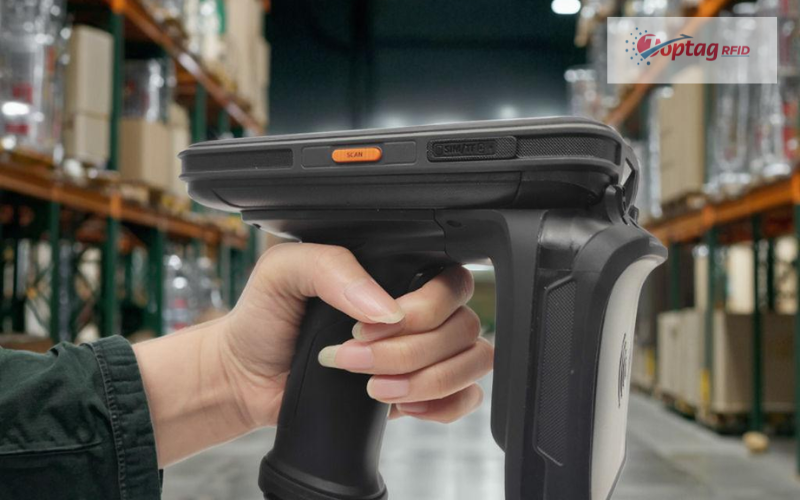
2. Handheld RFID readers provide mobility and flexibility.
3. Embedded RFID modules offer integration into custom systems and devices.
4. Each option serves different operational requirements and budgets.
Future Trends in RFID Technology
RFID technology continues to evolve with advancements in artificial intelligence, cloud computing, IoT connectivity, and smart automation. These innovations are expanding RFID capabilities and creating new opportunities for businesses to improve tracking, visibility, and operational efficiency.
AI + RFID Integration
Artificial intelligence is helping businesses analyze RFID data more effectively, enabling predictive insights and smarter decision-making.
Smart Warehouses & Industry 4.0
RFID technology supports smart warehouse operations through automation, real-time tracking, and process optimization.
Cloud-Based RFID Tracking
Cloud platforms allow organizations to access RFID data remotely and manage operations from anywhere.
RFID and IoT Expansion
The combination of RFID and IoT technologies is creating more connected systems, enabling greater visibility and automation across industries.Also Read: RFID Inlay, Tags, and Product Tracking: Complete Guide
Conclusion
RFID technology continues to revolutionize tracking, identification, and automation across industries. From standard RFID tag reader systems to advanced long range RFID reader solutions and embedded RFID reader modules, organizations can choose technologies that match their operational requirements.
Whether implementing RFID product tracking, enhancing RFID production processes, or improving security through RFID blocking products, RFID technology offers measurable business benefits. Choose the right RFID reader solution for your business needs and unlock greater efficiency, visibility, and operational control.
Frequently Asked Questions
Q. What is the difference between RFID and NFC?
NFC is a subset of RFID technology that operates over shorter distances and is commonly used for mobile payments and smartphone applications.
Q. How far can a long-range RFID reader scan?
A long-range RFID reader can typically scan tags from several meters away depending on the tag type, antenna configuration, and environment.
Q. What is a UHF RFID reader used for?
A UHF RFID reader is used for long-range, high-speed identification of multiple tags in inventory, logistics, and industrial applications.
Q. Are RFID blocking products effective?
Yes, RFID blocking products can help prevent unauthorized RFID scanning and provide additional privacy protection.
Q. Which industries benefit most from RFID product tracking?
Retail, healthcare, logistics, automotive, and manufacturing industries all benefit significantly from RFID product tracking systems.