Blog Detail
RFID Tags for Manufacturing: A Buyer’s Guide to Industrial Labels, On-Metal Tags and Button Tags
 " alt="blogDetail">
A factory floor is hard on technology. There’s metal everywhere, heat from ovens and engines, oil on surfaces, and constant vibration. A tag that works perfectly in an office can fail within days in that setting.
That’s why choosing from RFID tag manufacturers takes more care in industry than anywhere else. This guide explains what industrial rfid labels needs, how to choose between labels, on-metal tags, and button tags, and what to ask suppliers before you buy.
What Makes Industrial RFID Different?
Industrial RFID uses tags built to survive tough conditions while still giving reliable reads. The tag has to work on difficult surfaces, handle heat and dust, and last long enough to justify the cost.
| Challenge | Why it matters |
| Metal surfaces | Metal reflects radio signals and can kill the read range |
| Heat | Ovens, paint lines, and engines can damage ordinary tags |
| Moisture and chemicals | Washdowns and coolants wear down weak materials |
| Vibration and impact | Tools and moving parts shake tags loose |
| Dust and dirt | Buildup can block adhesives and cover printing |
Where RFID Tags Are Used in Manufacturing
| Area | What the tag does |
| Work in progress | Tracks parts as they move between stations |
| Tool management | Shows where tools are and who has them |
| Asset tracking | Locates machines, jigs, and fixtures |
| Quality control | Links each product to its inspection record |
| Returnable containers | Tracks bins, racks, and pallets |
| Maintenance | Identifies equipment and records service history |
| Warehousing | Speeds up receiving and shipping checks |
Three Common Tag Styles
1. RFID Labels: Labels are thin, flat, and adhesive-backed. They suit boxes, pallets, packaging, and documents. They’re affordable and easy to apply, though they’re less tough than hard tags.
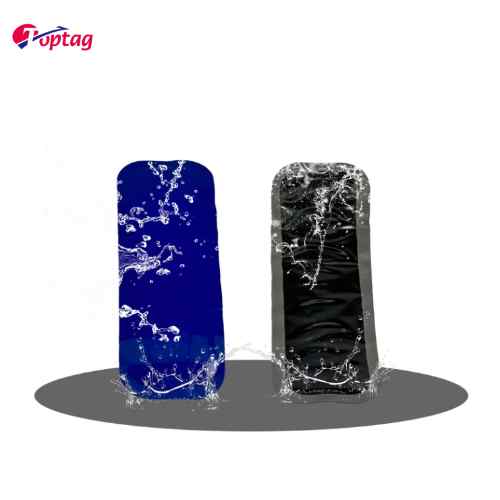
2. Industrial On-Metal RFID Labels: A standard label stuck on metal will often barely read, if at all. On-metal labels are built differently, usually with a spacer layer or a special antenna, so they keep working when attached to steel or aluminum. They’re a good fit for machines, cages, tool boxes, and containers.
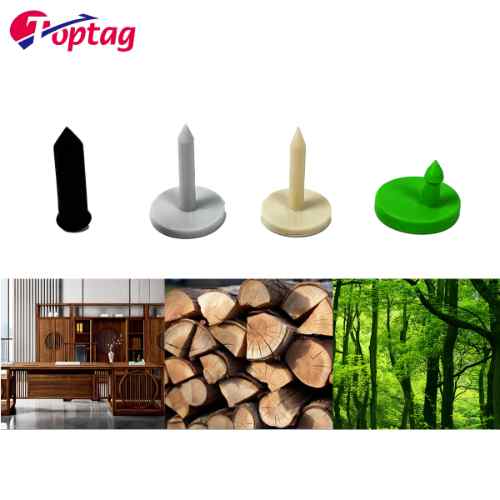
3. Industrial RFID Button Tags: Button tags are small, round, and rugged. They can be screwed, riveted, glued, or pressed into place. Their compact shape fits tight spaces, and the sturdy casing handles knocks and washing. They’re popular for tools, small parts, and equipment with limited room.
Comparing the Options
| Type | Strength | Limit | Best for |
| Standard label | Low cost, easy to apply | Weak on metal and in harsh settings | Cartons, paper, plastic |
| On-metal label | Reads on metal surfaces | Costs more than standard | Machinery, containers |
| Button tag | Very rugged and compact | Needs a mounting method | Tools, small parts, outdoor use |
| Hard tag | Strong casing | Larger and pricier | Heavy equipment, long service life |
Why Metal Causes So Much Trouble
Metal reflects radio waves, and the reflection cancels out the signal at the tag. Liquids absorb waves, which creates a similar problem. A tag that reads from three meters in free air might read from only a few centimeters on a steel surface. Ways to deal with it:
1. Choose tags made for metal.
2. Add a spacer between tag and surface if the design calls for it.
3. Test on the real part, not on a bench.
4. Avoid mounting tags in recessed spots that shield the signal.
Frequency Basics
| Band | Typical range | Common use |
| Low frequency (LF) | A few centimeters | Tricky materials, close reads |
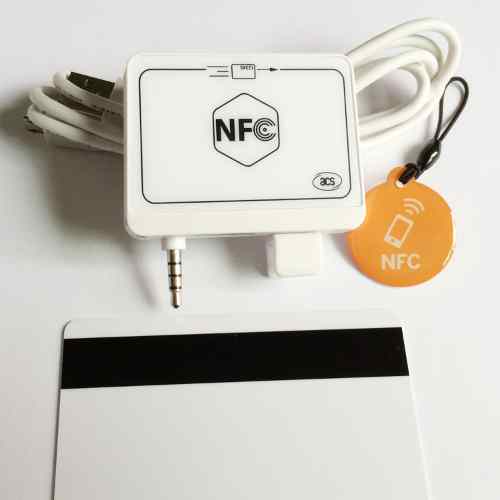
| High frequency (HF/NFC) | Up to about a meter | Tool tracking, item-level reads |
| Ultra high frequency (UHF) | Several meters | Pallets, warehouses, longer reads |
Radio rules for UHF differ by region, so confirm the right version for your country.
Durability Features Worth Checking
| Feature | Useful when |
| High-temperature resistance | Ovens, paint booths, engine parts |
| Water and dust resistance | Outdoor or washdown areas |
| Chemical resistance | Factories and labs |
| Strong adhesive | Oily or rough surfaces |
| Impact resistance | Tools and moving equipment |
| UV resistance | Long outdoor use |
Ask for ratings in writing. A vague promise of “durable” isn’t enough.
What to Ask RFID Label Suppliers and Tag Manufacturers
Before you commit, ask each supplier:
1. Which frequencies and chips do you offer?
2. Do you make on-metal labels and button tags?
3. Can you customize size, shape, printing, and encoding?
4. What testing do you do before shipping?
5. Can I get samples to try on my own parts?
6. What are your lead times and minimum orders?
7. Do you provide read range data for specific surfaces?
8. Can you advise on reader and antenna choices?
A reliable supplier answers plainly. They also tell you when a product won’t suit your setup.
Details to Prepare Before You Ask for a Quote
1. What the tag will be attached to
2. Surface material and shape
3. Required read distance
4. Temperature and exposure conditions
5. Size limits
6. Frequency and regional requirements
7. Quantity and timeline
8. Any printing or encoding needs
Clear details lead to better quotes and fewer surprises.
Also Read: Industrial RFID Labels: Improving Asset Tracking and Manufacturing Efficiency
A Sensible Rollout Plan
1. Define the problem you want RFID to solve.
2. Pick candidate tags for your surfaces and conditions.
3. Order samples and test them on real parts.
4. Run a small pilot in one area.
5. Review read rates and adjust readers or tag placement.
6. Scale up once results are steady.
Skipping the pilot is the most common reason projects stall.
Common Mistakes to Avoid
| Mistake | What goes wrong | Better approach |
| Using standard labels on metal | Poor or no reads | Choose on-metal tags |
| Buying on price alone | Early failures | Test samples |
| Ignoring placement | Weak reads even with good tags | Test mounting spots |
| Forgetting the readers | Gaps in coverage | Plan antennas early |
| Skipping the pilot | Problems appear at scale | Start small |
Why Top Tag RFID Is Worth Considering
If you’re comparing RFID tag manufacturers for industrial projects, Top Tag RFID, from Shenzhen TopTag Technology Co., Ltd., is worth adding to your shortlist. Share your surfaces, conditions, read range, and quantity, and ask Top Tag RFID for samples so you can test them in your own plant.
As with any supplier, confirm specifications and test details in writing before you place a large order.
Frequently Asked Questions
What’s the difference between an RFID label and a button tag?
A label is thin and flat with an adhesive back. A button tag is a small, rugged, round tag that’s usually fixed with a screw, rivet, or glue.
Can RFID labels work on metal?
Only if they’re designed for it. On-metal labels are built to keep their read range on metal surfaces.
Which frequency is best for manufacturing?
It depends on the job. UHF suits longer reads, HF suits closer item-level work, and LF can help with tricky materials.
How do I know a tag will work on my equipment?
Test samples on the actual parts under real conditions.