Blog Detail
RFID Cable Tags And Product RFID Solutions: A Complete Guide To RFID Tracking Systems
 " alt="blogDetail">
RFID technology has basically changed the way companies handle tracking, identification, and inventory control in a lot of different industries. From industrial cable management to product level tracing, RFID systems give faster data capture, stronger accuracy, and better day to day operational visibility. This comprehensive guide addresses everything you need to learn about RFID cable tags, RFID cable tie tags, RFID product tags, and even the process involved in making RFID tags. As a logistics professional, manufacturer, warehouse manager, or someone handling asset management, understanding RFID technology can help increase efficiency and minimize those manual errors that have been bothering you all this while.
Introduction to RFID Technology
An RFID tag is a smart identification device that relies on radio frequency tech to store and send data wirelessly. RFID systems usually consist of tags, readers, antennas and software, all together so the whole setup runs smoothly and improves visibility and operational efficiency. Many businesses use RFID technology to trace assets, supervise inventory, and automate workflows. The growing use of RFID tags on products has shifted logistics and manufacturing, mostly because it enables near real time tracking and cuts down manual errors, too. As supply chains get more complicated, RFID solutions keep showing up as an important tool for productivity and asset management, and honestly it keeps getting more relevant over time.
What Are RFID Cable Tags?
RFID cable tags are specialized RFID tags, made to recognize, secure, and monitor cables, wires, and other related assets . They basically blend tough physical construction with RFID technology so you get steady tracking even in industrial areas. Compared to a standard RFID label, cable tags are built to handle rough conditions like high heat, moisture, and outdoor exposure also . Telecoms, manufacturing, data centers, and energy companies tend to use RFID cable tags for cable organization and electrical asset tracking a lot. Their small but rugged form helps businesses keep messy setups under control, while also lifting maintenance speed and general operational visibility.
Understanding RFID Cable Tie Tags
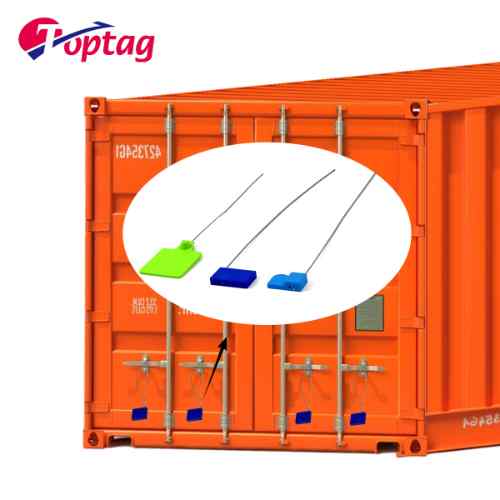
An RFID cable tie tag combines a cable tie idea with embedded RFID technology. These tags are made to lock securely around cables, pipes, tools, or equipment while still allowing wireless identification and tracking. Depending on how you operate, RFID cable tie tags can show up as tamper-proof versions or reusable ones. They install fairly easily, and they last a long time, so they work well for outdoor and industrial situations. A lot of RFID cable tie tags are also built with extra resistance to chemicals , UV light, and moisture. For many businesses this means better inventory control, quicker asset recognition , and stronger day to day operational management when using RFID-enabled cable tie systems.
Custom RFID Cable Tie Tags: Why Businesses Need Them
Customization matters a great deal in modern RFID tracking systems. With a custom RFID cable tie tag, businesses can adjust the RFID setup based on real operational needs and even branding requirements. Companies can add logo printing, serial numbering, barcode linking, and chip encoding so traceability and identification get easier. There are also extra settings like frequency choices, color options, and size tweaks, which makes RFID cable tie tags fit different industries more smoothly. Logistics teams, warehouses, and manufacturers often rely on customized RFID tags to boost workflow efficiency and improve product tracing. Pick the right custom RFID cable tie tag , and you can reach better asset visibility plus stronger long-term operational results.
RFID Tags on Products: Transforming Product Tracking
The use of RFID tags on products has, in a noticeable way, improved how businesses handle inventory and keep track of product movement. RFID tech gives real-time visibility all the way across the product lifecycle, starting from manufacturing, then moving into retail shelves and everything in between. Many companies apply RFID product tags to cut down stock discrepancies, automate inventory counts, and bring greater clarity across the supply chain. RFID tagging also helps in anti counterfeiting by confirming whether a product is authentic or not. Sectors like retail, healthcare, electronics, and automotive manufacturing see an uptick in operational efficiency, plus quicker product identification. And since consumer demand keeps rising, RFID product tracking is increasingly becoming an important piece of day to day modern business operations.
Types of RFID Product Tags
There are several types of RFID product tags designed for different tracking requirements and environments. Passive RFID tags operate without an internal power source and are commonly used for inventory and retail applications. Active RFID tags contain batteries and provide longer read ranges for large-scale asset tracking. Semi-passive tags combine features of both systems to improve performance. Businesses also choose between hard RFID tags and RFID label tags depending on durability requirements. Selecting the right RFID tag depends on factors such as read distance, environment, and application type.
| Type | Range | Cost | Best Use |
|---|---|---|---|
| Passive RFID Tags | Short to Medium | Low | Inventory & Retail |
| Active RFID Tags | Long Range | Higher | Asset Tracking |
| Semi-Passive RFID Tags | Medium to Long | Medium | Industrial Monitoring |
| Hard RFID Tags | Medium | Medium | Harsh Environments |
| RFID Label Tags | Short | Low | Product Labeling |
RFID Production Process Explained
The RFID production process includes several key stages during manufacturing to keep RFID products working reliably. It starts with chip manufacturing, where the microchips are built to hold and send data. After that, antenna design is refined, so the signal stays stable and the reading is accurate. Then comes encoding, during which RFID tags are loaded with distinct identification data. Lamination and assembly also matter, since they help shield internal parts from weather effects and general physical wear. Finally, testing and quality assurance confirm durability, functionality, and alignment with common industry standards. In the end, the RFID production process is meant to deliver consistent product performance whether it’s used in one industry or another.
Benefits of RFID Tags in Modern Business Operations
RFID technology brings operational wins for companies that want better inventory and asset management. RFID systems enable faster inventory audits, because many tags can be scanned at the same time, rather than one by one. Businesses can also shrink human error by automating identification and tracking, which is honestly a big deal. Better supply chain visibility helps teams observe products more accurately across distribution networks. RFID systems support asset utilization too, since organizations get near real time awareness of inventory and equipment locations. After implementation, a lot of organizations report improved inventory accuracy and smoother day to day efficiency. On top of that, stronger security, faster workflows, and long term cost reductions make RFID systems a strong choice for modern operations.
Challenges and Considerations When Choosing RFID Tags
Picking the correct RFID setup means businesses have to look at a bunch of operational stuff, and also environmental factors that are not always obvious. Conditions like heat, moisture, and even metal-adjacent surfaces can mess with RFID performance in real life. There are also read-range limits, plus the whole question of material compatibility, that need attention when you actually deploy it. It’s wise to check what frequency you really need, how tough the tag must be, and what sort of mounting approach you’re planning, along with the expected read distance. On top of that, data security and how well the system will integrate with existing platforms become more important as the scale grows. Cost matters too, especially when you’re dealing with high-volume applications. Having a solid buying checklist can help an organization grab RFID products that stay reliable, and keep delivering operational value over time.
Future Trends in RFID Technology
RFID technology keeps evolving, while industries adopt more automation and connected systems in this kinda relentless way. You see, smart factories— and the whole Industry 4.0 move— are making the need for intelligent RFID tracking solutions grow faster than before. When RFID is integrated with the Internet of Things (IoT) it lets companies gather and inspect operational data in real time, a lot more usefully than older setups. At the same time sustainable RFID materials are getting highlighted, plus eco-friendly manufacturing practices are becoming a bigger deal. And there is more, since artificial intelligence alongside advanced analytics is making sense of RFID signals better, so predictive maintenance becomes more practical too. Over time, RFID systems will keep supporting automation, supply chain visibility, and those data-driven choices across industries worldwide, even as expectations keep shifting.
Also Read: The Complete Guide to RFID Tags for Inventory and Livestock
Conclusion
With the development of technology, RFID system has emerged as a vital tool in the tracking process, stock management, and asset tracking. With various RFID cable tags to RFID product tags available, organizations can streamline their operations and minimize labor-intensive processes through intelligent RFID solutions. It is important to have knowledge of RFID manufacturing processes and choose the appropriate RFID solutions in order to benefit from the improved performance. The RFID technology is transforming the business processes regardless of whether it involves cable management, stock management, or product verification.
Frequently Asked Questions
Q. What is an RFID cable tie tag used for?
An RFID cable tie tag is used for securing and tracking cables, tools, pipes, and industrial assets using RFID technology.
Q. Are RFID cable tags waterproof?
Many RFID cable tags are designed to be waterproof and resistant to harsh environmental conditions.
Q. Can RFID tags be customized?
Yes, RFID tags can be customized with logos, serial numbers, barcodes, frequencies, and different materials.
Q. How does the RFID production process work?
The RFID production process includes chip manufacturing, antenna design, encoding, lamination, assembly, and testing.
Q. What industries use RFID product tags?
Industries such as retail, healthcare, automotive, logistics, and manufacturing widely use RFID product tags.
Q. What is the difference between RFID labels and RFID cable tags?
RFID labels are flexible and lightweight for packaging applications, while RFID cable tags are designed for durable cable and asset management.