Blog Detail
RFID Products: Types, Uses, Tracking, Tags and Labels
 " alt="blogDetail">
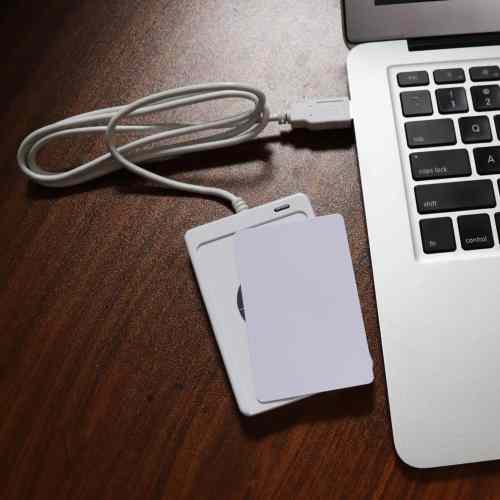
RFID helps businesses identify and track products without checking each item by hand. An RFID system uses small tags or labels that store product information. An RFID reader can then scan these tags and collect the information. You can find RFID products in many industries. Businesses use them to track stock, equipment, tires, packages, and other items. The right RFID product depends on what you want to track and where you will use it.
What Are RFID Products?
RFID products are tags, labels, and other items that use RFID technology to identify an object.
An RFID product usually contains:
1. An RFID chip
2. An antenna
3. A protective outer layer
The chip stores information, while the antenna helps the tag communicate with an RFID reader. Businesses use different types of RFID products for different jobs.
Some common examples include:
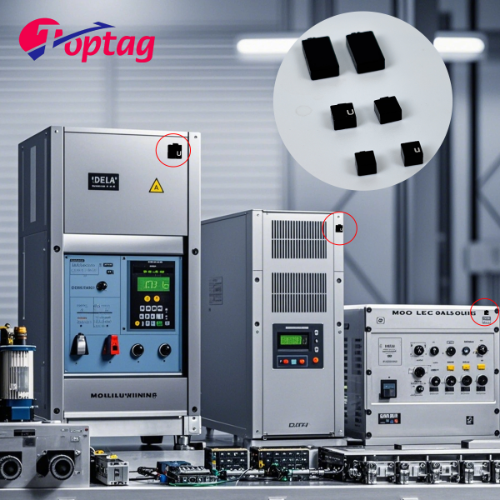
1. RFID product tags
2. RFID product labels
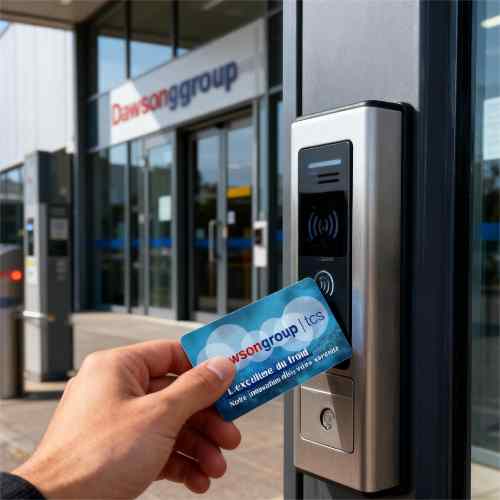
3. RFID cards
4. RFID wristbands
5. RFID key fobs
6. Silicone RFID tags
7. RFID tire tags
How Do RFID Products Work?
RFID products work by sending information to an RFID reader.
The process is simple:
1. A business attaches an RFID tag to a product.
2. The tag stores product information.
3. An RFID reader scans the tag.
4. The reader collects the information.
5. The system records the data.
6. The business can use this information to track the product.
This process can save time because workers do not have to check every product manually.
How Are RFID Products Made?
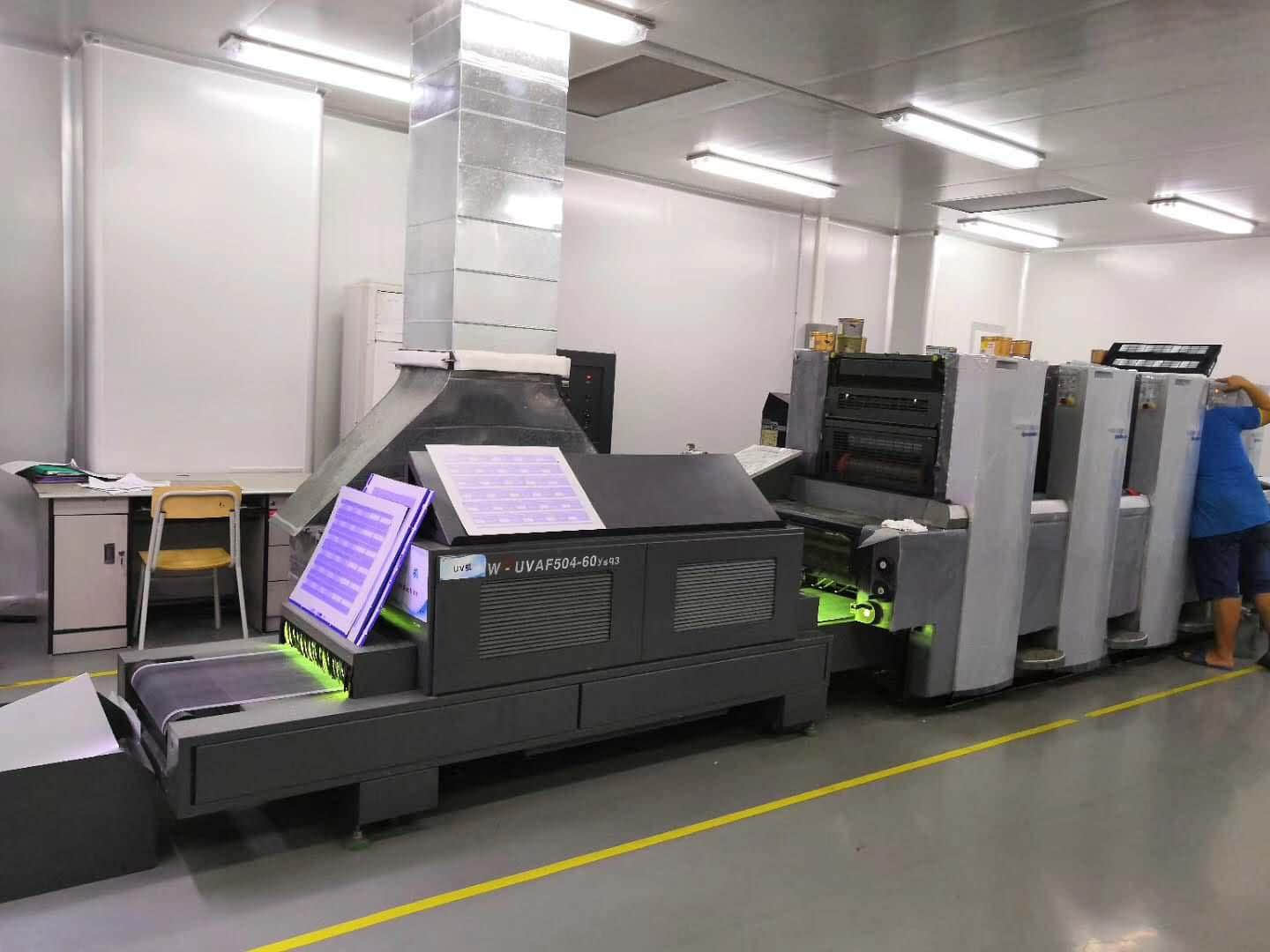
RFID production involves several steps. Manufacturers build the tag based on where and how it will be used.
The basic production process includes:
Choosing the chip: The manufacturer selects a chip that suits the application.
Adding the antenna: The antenna allows the tag to communicate with the reader.
Putting the parts together: The chip and antenna form the main RFID part.
Adding the outer material: The manufacturer protects the RFID part with paper, plastic, silicone or another suitable material.
Testing the tag: Each product goes through testing to check its performance.
Customising the design: Manufacturers can make tags in different shapes, sizes and materials.
For products used outdoors or in harsh conditions, manufacturers can use stronger materials to protect the RFID parts.
Also Read: RFID Tags: How to Buy RFID Cards and Card Readers Online
Types of RFID Products
Not every RFID product works best for every application.
| RFID Product | Where It Is Used | Main Advantage |
| RFID Product Tags | Products, equipment and assets | Strong and flexible |
| RFID Product Labels | Boxes, packages and products | Easy to apply |
| RFID Cards | Identification and access | Easy to carry |
| RFID Wristbands | Events and access | Comfortable to wear |
| RFID Key Fobs | Access control | Small and portable |
| Silicone RFID Tags | Outdoor and industrial items | Durable and flexible |
| RFID Tire Tags | Tire identification and tracking | Built for demanding use |
RFID Product Tags vs RFID Product Labels
RFID tags and RFID labels both help businesses track products. However, they differ in their design and typical use.
| Difference | RFID Product Tags | RFID Product Labels |
| Material | Often use plastic, silicone or other protective materials | Usually use paper or thin synthetic material |
| Durability | Can provide higher protection | Better for normal indoor use |
| Attachment | Can use adhesive, screws, ties or other methods | Usually uses adhesive |
| Use | Equipment, assets and products | Products, boxes and packages |
| Design | Available in many shapes and sizes | Usually thin and flat |
| Best for | Long-term tracking | Quick product labelling |
Which One Should You Use?
Choose RFID tags if:
1. The product needs long-term tracking.
2. The item faces rough conditions.
3. You need a stronger outer layer.
4. You need different ways to attach the tag.
Choose RFID labels if:
1. You want a thin tracking solution.
2. You need to label boxes or packages.
3. You want a simple adhesive option.
4. The product stays in a normal indoor environment.
How Does RFID Product Tracking Work?
RFID product tracking helps businesses know what they have and where their products are moving.
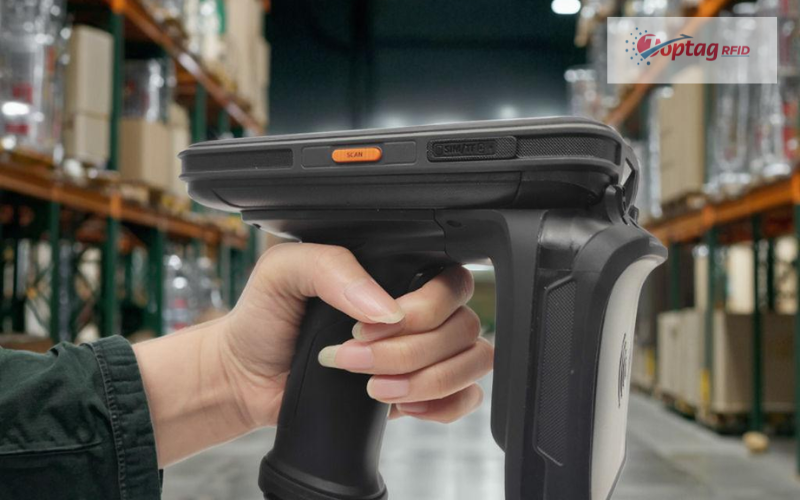
For example, a warehouse can attach an RFID tag to each product. Workers can then scan many tagged items without checking them one by one.
A simple tracking process:
1. Attach the RFID tag to the product.
2. Add the product information to the system.
3. Scan the tag with an RFID reader.
4. Record the product movement.
5. Check the information when needed.
Benefits of RFID Product Tracking
1. Faster product checks
2. Easier inventory management
3. Less manual data entry
4. Better product records
5. Easier stock counting, improved product visibility
6. Less time spent searching for items
RFID Tracking Products vs RFID Blocking Products
The words RFID tracking and RFID blocking may sound similar, but they serve very different purposes.
| Difference | RFID Tracking Products | RFID Blocking Products |
| Purpose | Help identify and track items | Help stop unwanted RFID scans |
| How They Are Used | Work with RFID readers | Protect RFID-enabled cards and devices |
| Examples | RFID tags and labels | RFID wallets, sleeves and card holders |
| Main Goal | Track products or assets | Reduce unwanted access to stored information |
| Common Users | Businesses and organisations | Individuals and businesses |
In simple terms, RFID tracking products help you read information, while RFID blocking products help prevent RFID readers from reading information.
What Are Silicone RFID Tags?
Silicone RFID tags use silicone as their outer material. They can work well when a normal paper label or thin tag may not be suitable. Silicone provides a flexible and durable outer layer. This makes these tags useful for products that face regular handling or outdoor conditions.
Benefits of Silicone RFID Tags
Flexible design
1. Good resistance to water
2. Strong outer material
3. Suitable for outdoor use
4. Good resistance to regular wear
5. Available in different shapes and sizes
6. Suitable for long-term tracking
RFID Silicone Tire Tags
Tires go through tough conditions. They may face heat, water, dirt, pressure and constant movement. A normal paper label may not last in such conditions. A silicone RFID tire tag offers a more suitable option for tire identification and tracking.
How RFID Tire Tags Help
An RFID tire tag can help businesses:
1. Give each tire a unique ID.
2. Find tire information quickly.
3. Track tires through different stages.
4. Manage tire stock.
5. Keep better tire records.
6. Reduce manual record keeping.
7. Track tire history more easily.
Where Are RFID Tire Tags Used?
RFID tire tags can support businesses involved in:
1. Tire manufacturing
2. Tire storage
3. Tire distribution
4. Fleet management
5. Automotive services
6. Tire inventory
7. Tire lifecycle tracking
Benefits of Using RFID Products
RFID products can make product tracking easier and faster.
Some key benefits include:
Saves time: Workers can scan products faster.
Reduces manual work: Staff do not need to record every item by hand.
Improves tracking: Businesses can keep better records of products.
Supports inventory control: RFID makes stock checks easier.
Works across industries: Businesses can use different RFID products for different needs.
Offers durable options: Materials such as silicone can suit demanding environments.
How Do You Choose the Right RFID Product?
Start by looking at how and where you will use the RFID product.
Consider:
What do you want to track? A product, tire, tool, package or asset?
Where will you use it? Indoors, outdoors or in a harsh environment?
How will you attach it? With adhesive, screws, ties or another method?
How long should it last? Choose the material based on the expected use.
How will you scan it? Consider the reader and the required reading distance.
What size do you need? The tag should fit the product properly.
What information do you need to track? Choose a suitable RFID product based on your tracking needs.
FAQ
What are RFID products used for?
RFID products help businesses identify and track products, equipment, assets, packages, and other items.
What is RFID product tracking?
RFID product tracking uses RFID tags and readers to identify products and record their movement.
What is the difference between an RFID tag and an RFID label?
An RFID tag usually has a stronger outer material and can support different attachment methods. An RFID label is thinner and often uses adhesive.
What are RFID product labels used for?
Businesses use RFID product labels to identify and track products, packages, boxes and inventory.
What are RFID blocking products?
RFID blocking products help prevent RFID readers from accessing information stored on RFID-enabled cards and similar items.
What is a silicone RFID tag?
A silicone RFID tag is an RFID tag with a silicone outer layer. It offers a flexible and durable option for product and asset tracking.
What is an RFID tire tag?
An RFID tire tag is a tag designed to help identify and track tires. Businesses can use it to manage tire records, stock and movement.