Blog Detail
RFID Cards, Badges, and Readers: How to Choose the Right Option
 " alt="blogDetail">
Buying RFID gear sounds simple until you see the choices. Low frequency or high? Plain card or photo badge? Will the reader even work with your cards? A wrong match wastes money and slows your team down. This guide makes the choice clear. You will learn what to check, how the main types differ, and how to buy with confidence. Use it to find the right rfid badges and readers for your site.
What RFID Cards and Readers Do
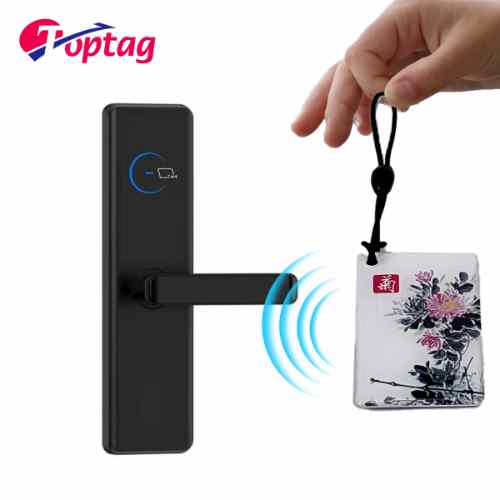
An RFID card holds a tiny chip. A reader sends a signal, the card answers, and the system reads its ID. You can use this to:
1. Open doors and gates
2. Track staff attendance
3. Pay for canteen meals or laundry
4. Check in members at a gym or club
5. Log visitors at a front desk
Also Read: The Complete RFID Card Guide: How They Work & Which Type You Need
Know the Main Types
Cards and readers must speak the same “language.” The frequency is the key detail.
| Type | Frequency | Read Range | Best For | Watch Out For |
| Low frequency (LF) | 125 kHz | A few centimeters | Simple door access | Easy to copy, less secure |
| High frequency (HF) | 13.56 MHz | A few centimeters | Offices, schools, payments | Check the exact card standard |
| Ultra high frequency (UHF) | 860–960 MHz | Several meters | Vehicles, warehouses, stock | Costs more, needs careful setup |
Cards vs. Badges
1. Cards are slim, cheap, and fit in a wallet. They suit most offices and schools.
2. Badges are thicker or printed with a photo and name. They suit staff, events, and visitors.
3. Key fobs and wristbands suit gyms, pools, and hotels.
7 Checks Before You Buy
1. Match the frequency. Your cards and readers must use the same one. Mixed gear will not work.
2. Check the card standard. Ask which standard the reader supports, not just the frequency.
3. Think about security. Basic LF cards are easy to clone. For sensitive areas, pick encrypted HF cards.
4. Pick the right read range. Doors need short range. Gates and warehouses need longer range.
5. Check the build. Look for water-resistant, sturdy cards and readers. Outdoor readers need weather ratings.
6. Plan for your software. Make sure your access or attendance system supports the reader.
7. Count the full cost. Add spare cards, printing, setup, and support to the price.
Also Read: RFID Tags: How to Buy RFID Cards and Card Readers Online
What Makes a Reader or Card “Good”?
When you compare options, look for these signs:
1. Works with your current software
2. Reads quickly and reliably
3. Strong build quality
4. Clear specs and a data sheet
5. Fair warranty and support
6. Honest reviews from similar businesses
Where to Buy RFID Cards
If you wonder where to buy RFID cards, you have a few good routes:
| Source | Good For | Keep in Mind |
| Manufacturer or authorized reseller | Large orders, support, warranty | May need a minimum order |
| Security and access control suppliers | Cards that match your readers | Prices can be higher |
| Online marketplaces | Small orders, quick delivery | Check seller ratings and specs |
| Local printing shops | Custom printed badges | Confirm chip type first |
Before you pay, ask the seller four things: which frequency, which standard, whether it has encryption, and whether you get samples. Test a few cards on your reader first.
If you search for RFID cards for sale, compare the specs before the price. A cheap card that does not match your reader is no bargain.
Case Studies
These are simple example scenarios, not named businesses.
1. The office with mismatched cards. A small office bought 200 cards online because the price looked great. The cards were low frequency, but the new readers used high frequency. Nothing worked. The office re-ordered the right cards and lost two weeks. Lesson: confirm frequency and standard first.
2. The gym that cut lost keys. A gym handed out plastic cards that members kept losing. It switched to wristbands. Lost items dropped, and entry got faster. Lesson: pick the form that fits how people actually use it.
3. The warehouse that sped up counts. A warehouse scanned boxes one by one. It moved to UHF tags and long-range readers. Staff now scan a full pallet in seconds. Lesson: match the range to the job.
Common Mistakes to Avoid
1. Buying cards before checking the reader
2. Choosing the cheapest option without testing
3. Ignoring security for sensitive doors
4. Forgetting spare cards
5. Skipping a small pilot test
Conclusion
The right RFID badges and readers match each other, fit your security needs, and work with your software. Work through the seven checks above, compare a few suppliers, and test samples before placing your order. Top Tag RFID offers RFID solutions to help you find the right fit for your business. A short test today can save time, money, and stress later.